
Sustainable Eating for Men's Health and Vitality
Discover science-backed nutrition strategies that fuel your body, enhance your energy, and build lasting healthy habits for longevity and strength.
The information on this site is for educational purposes only and does not constitute medical advice. Always consult a qualified healthcare professional before making health decisions.
Transform Your Nutrition Today – Start Your Sustainable Eating Journey
Why Sustainable Eating Matters for Men's Health
Proper nutrition isn't just about feeling good today—it's an investment in your strength, energy, and longevity. Learn how sustainable eating habits support your body's needs throughout life.
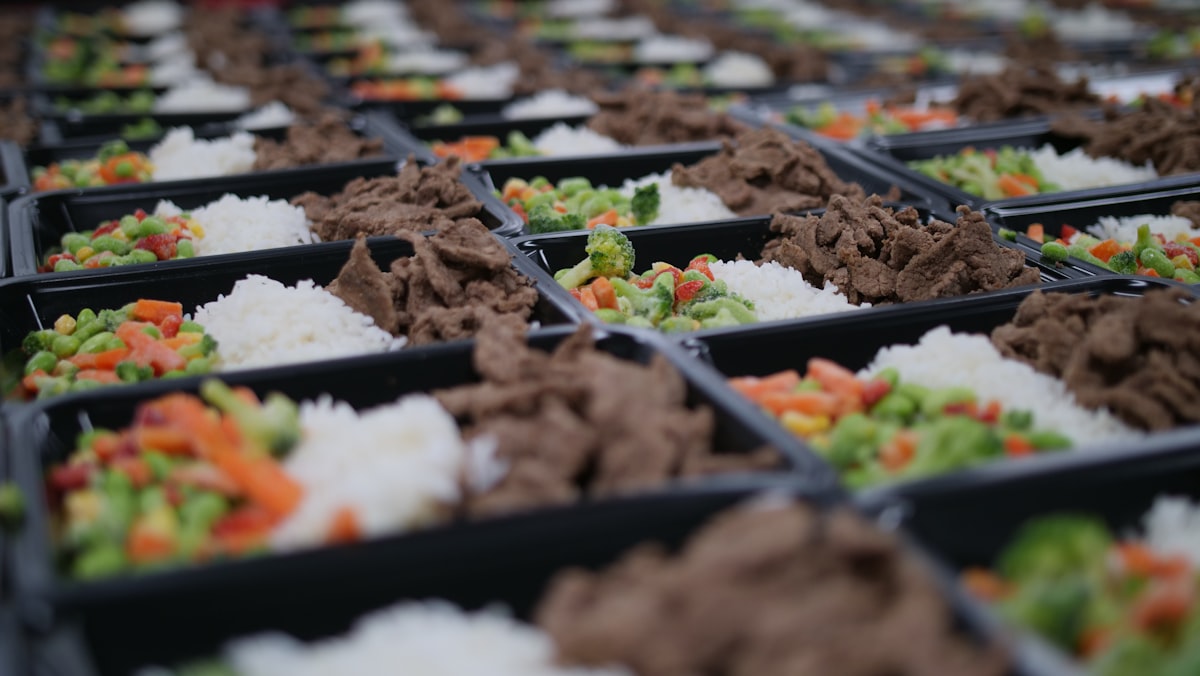
Build Strength and Energy From Within
Sustainable eating means choosing nutrient-dense foods that fuel your muscles, support your cardiovascular system, and stabilize your energy levels throughout the day. When you prioritize whole foods—lean proteins, whole grains, healthy fats, and fresh produce—your body responds with improved performance and mental clarity.
Men who adopt sustainable nutrition practices report better sleep, increased strength, improved focus at work, and enhanced overall resilience. These aren't quick fixes—they're lasting habits that compound over time.
- Sustained Energy: Balanced meals prevent energy crashes and improve endurance.
- Muscle Support: Adequate protein intake maintains and builds lean muscle mass.
- Long-Term Health: Whole-food nutrition reduces inflammation and supports organ function.
Top Sustainable Protein Sources for Men
Protein is essential for muscle recovery, hormone balance, and satiety. Discover protein-rich foods that are both nutritious and environmentally responsible.
Eggs
Eggs are a complete protein containing all nine essential amino acids. They're affordable, versatile, and rich in choline—a nutrient crucial for brain and muscle function. Whether boiled, scrambled, or baked, eggs fit easily into any eating plan.
Protein per serving: 6g per egg
Best use: Breakfast, post-workout meals
Wild-Caught Fish
Fish like salmon, mackerel, and sardines provide high-quality protein plus omega-3 fatty acids that support heart and brain health. Wild-caught varieties have a lower environmental impact than farmed options. Include fish 2-3 times weekly for optimal benefits.
Protein per serving: 25g per 3.5oz
Best use: Lunch, dinner, salads
Legumes & Beans
Lentils, chickpeas, and beans are plant-based proteins rich in fiber and minerals. They're sustainable, affordable, and help maintain healthy cholesterol levels. Combine with whole grains to create a complete amino acid profile.
Protein per serving: 18g per cooked cup
Best use: Soups, salads, stews
Grass-Fed Beef
When available, grass-fed beef is a nutrient-dense protein with higher levels of omega-3 fatty acids and antioxidants. Choose smaller portions of high-quality meat rather than large servings of processed options for sustainable nutrition.
Protein per serving: 26g per 3.5oz
Best use: Dinner, meal prep
Greek Yogurt
Plain Greek yogurt delivers high protein with probiotics that support digestive health. Use it as a snack, in smoothies, or as a substitute for sour cream. Choose unsweetened varieties to avoid added sugars.
Protein per serving: 20g per 7oz
Best use: Snacks, smoothies, toppings
Nuts & Seeds
Almonds, walnuts, sunflower seeds, and pumpkin seeds provide plant-based protein plus healthy fats and minerals. They're portable, require no cooking, and make excellent additions to meals or standalone snacks.
Protein per serving: 4-8g per ounce
Best use: Snacks, salads, smoothies
5-Step Guide to Building Sustainable Eating Habits
Transform your nutrition gradually with these practical steps. Sustainable change happens when you build habits, not when you chase perfection.
Assess Your Current Habits
Spend one week tracking what you eat without judgment. Note your meals, snacks, drinks, and how you feel after eating. This awareness is the foundation for change. You'll identify patterns—foods that energize you, ones that leave you sluggish, and emotional eating triggers.
Build Your Plate Template
Create a simple meal formula: half your plate vegetables, one quarter lean protein, one quarter whole grains or starchy vegetables. Add a thumb-sized portion of healthy fat. This template works for breakfast, lunch, and dinner, making meal planning stress-free.
Prep Whole Foods Weekly
Dedicate 2-3 hours Sunday to meal prep. Cook proteins (chicken, fish, beans), chop vegetables, and prepare whole grains. Store them in containers. When healthy food is ready-to-eat, you're far more likely to make nutritious choices, especially on busy weekdays.
Swap, Don't Eliminate
Rather than cutting foods out, swap them for healthier versions. Replace white bread with whole grain, regular pasta with legume-based, sugary drinks with infused water or herbal tea. Small substitutions add up to major nutritional improvements without feeling restrictive.
Track Progress Without Obsession
Measure success by how you feel—energy levels, sleep quality, clothes fit—not just numbers. Check in monthly, adjust as needed, and celebrate wins. Sustainable eating is a lifestyle, not a temporary project.
Learn & Stay Curious
Read articles, watch cooking videos, and experiment with new recipes. Nutrition science evolves, and staying informed helps you make decisions aligned with current evidence. Our blog offers research-backed tips and meal ideas regularly.
Ready to Transform Your Nutrition?
Explore our detailed articles, meal planning guides, and nutrition tips to start your sustainable eating journey today.
Explore ArticlesReal Stories from Men Making Change
Discover how readers have transformed their nutrition and improved their health through sustainable eating habits.
"I followed the meal prep guide from your nutrition tips article, and within three weeks I noticed I had more energy at work and could focus better in meetings. My clothes fit better too, but more importantly, I no longer feel the afternoon energy crash. This isn't a diet—it's a real lifestyle change that actually feels sustainable."
Rudi Gunawan
Bandung, Indonesia
"As a busy professional, I appreciated the practical advice in your articles. The plate template has become my go-to for meal planning—no complicated calculations, just real food that tastes good. My sleep improved, and my gym workouts finally feel productive again. This content genuinely changed my approach to eating."
Ade Suryanto
Jakarta, Indonesia
"I was skeptical that sustainable eating would work long-term, but your articles broke down the science in a way that made sense. Learning about protein sources and how nutrition affects hormone balance was eye-opening. I've built eating habits that stick because they're based on understanding, not restriction."
Budi Hermawan
Surabaya, Indonesia
Frequently Asked Questions
Get answers to common questions about sustainable eating and men's health.
Sustainable eating is about building long-term nutrition habits focused on whole foods and balanced nutrition rather than restriction. Unlike diets that have an end date, sustainable eating becomes your lifestyle. It emphasizes nutrient density, portion awareness, and foods that make you feel energized—without cutting out entire food groups. The goal is to eat in a way you can maintain for years, not weeks.
Have more questions? Browse our complete FAQ section.
View All FAQsStart Your Sustainable Eating Journey Today
Join thousands of men who've transformed their nutrition and reclaimed their health through sustainable eating habits. Explore our comprehensive guides, meal planning resources, and nutrition science articles.
All information on Fitfoodmenwell is for educational purposes. Always prioritize your individual health needs.